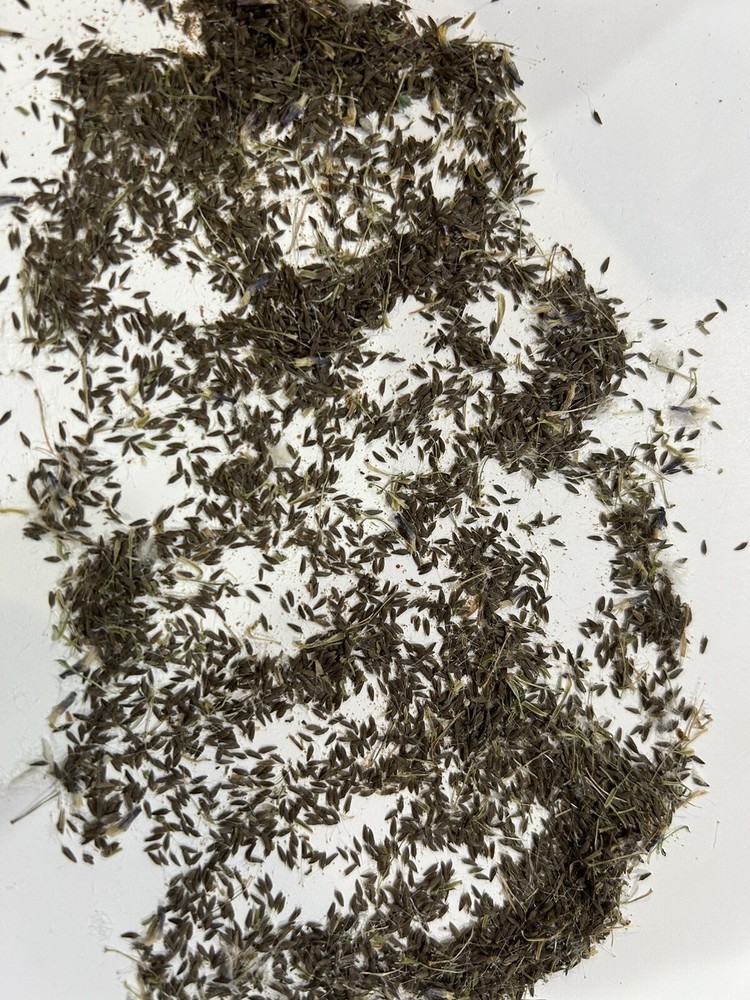
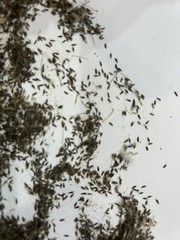
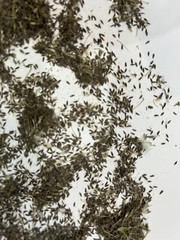
500 Organic Wild Lettuce Lactuca Virosa Seeds
Specifications
| Return Shipping Will Be Paid By | Buyer |
| All Returns Accepted | Returns Accepted |
| Item Must Be Returned Within | 30 Days |
| Refund Will Be Given As | Money Back |
| Climate | Tropical |
| Common Name | Wid Lettuce |
| Color | Black |
| Indoor/Outdoor | Outdoor |
| MPN | Does not apply |
| Soil Type | Sand |
| Brand | Unbranded |
| Season Of Interest | Summer |
| Type | Wild Lettuce |
| Life Cycle | Annual |
| Watering | Medium |
| Genus | Lactuca Virosa |
| Sunlight | Full Sun |
| Foliage | Evergreen |
| Features | Evergreen |
| Cultivating Difficulty | Very Easy |
| Country/Region Of Manufacture | United States |
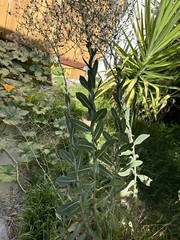
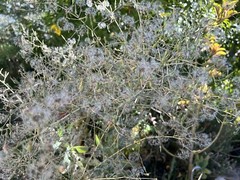
500 Organic Wild lettuce Lactuca Virosa seeds, Wild lettuce lactuca virosa grows as a biennial, leafy stalk stemming from a large brown taproot. It starts as a low rosette at first, but extends with age, typically measuring up to four feet in height. It is a wild lettuce similar to Lactuca serriola, but taller, one of several species known as wild lettuce, is sometimes used in salads too.But it is quite bitter and therefore less palatable. All wild lettuce species have this quality, but it has been bred out of lactuca sativa over hundreds of years of cultivation. More so than an edible, virosa was used by doctors as a medicinal herb. The plant exudes a sticky, off-white latex when damaged. Used as tincture, drank in tea or eaten as dried latex balls, wild lettuce was used was used quite commonly in Europe and America during the days prior to modern pharmacy. Growing information: Lactuca virosa prefers sandy or loamy soils but is not particularly picky. You can start your seeds indoors in the early spring to get a head start on the growing season. The seeds do enjoy cold temperatures during germination. Plant your wild lettuce seeds on the surface of your potting mixture and just barely cover them with soil. Cover the pots with saran wrap until germination begins. They can be transplanted when they are a few inches. This is best off being done before the temperatures get too hot. Seeds can also be sown directly outdoors. But they are made to be carried by wind so you may lose a few if you have strong winds. To prevent this, make sure the soil stays moist so it will hold together. These plants prefer full sun. They are not frost tender and will return the following year.
Related Items