
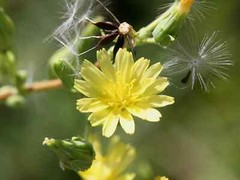
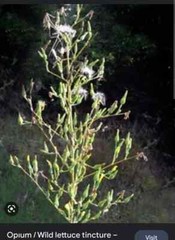
50+SEEDS Wild Prickly Lettuce Lactuca Virosa Medicinal Compass Pain Relief
Specifications
| All Returns Accepted | ReturnsNotAccepted |
| Brand | Unbranded |
| Plant Form | seeds |
| Season Of Interest | Fall |
| Type | Shrubs, Bushes & Hedges |
| Growth Stage | Flowering |
| Common Name | Poppy |
| Indoor/Outdoor | Outdoor |
| Sunlight | Full Shade |
| Features | Organic |
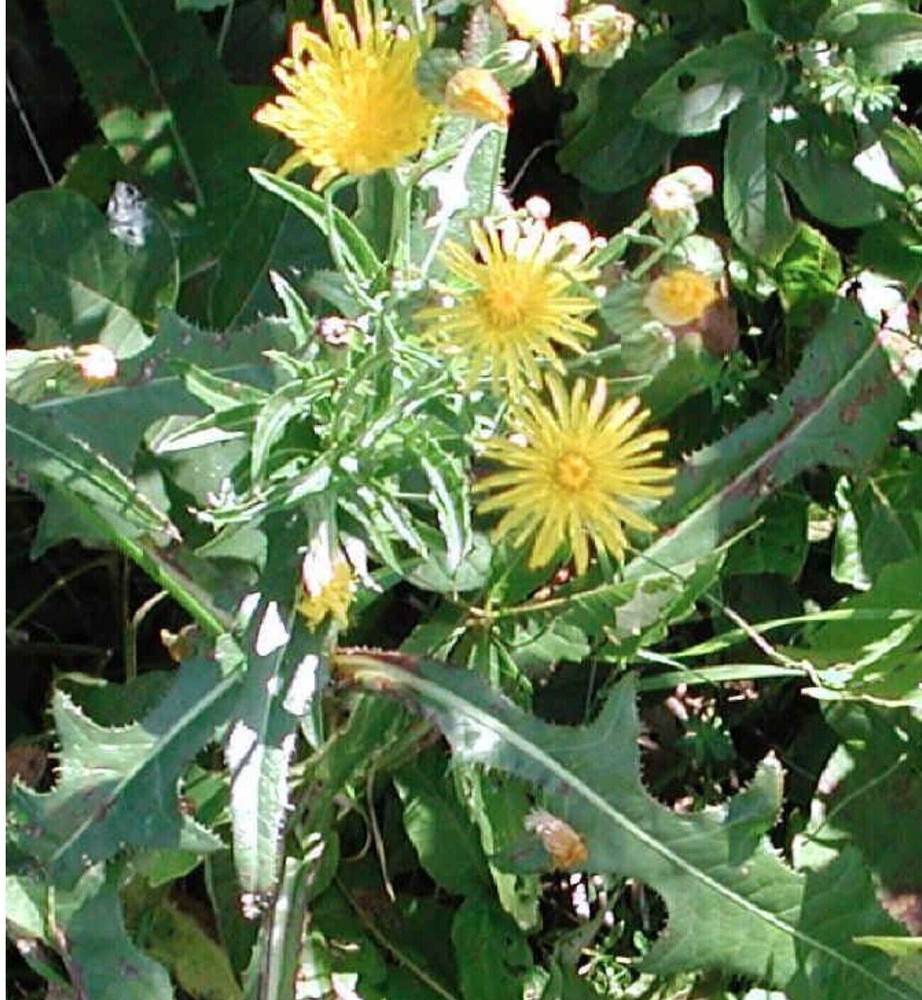
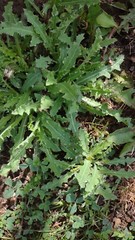
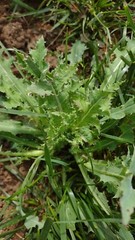
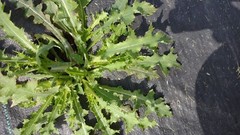
50+SEEDS Wild Prickly Lettuce Lactuca Virosa Medicinal Compass Pain Relief Lactuca Virosa Wild Lettuce poppy Wild Grown Organic Pain Relief USA amazing pain killing power year after year Wild Grown Organic 100 % organic Pre-treatment: Soak the seeds in water for 24 hours before sowing to improve germination rates.Planting: Sow the seeds in seed trays or small pots filled with a seed-starting mix. Place the seeds on the surface and lightly press them into the soil. Wild lettuce seeds require light to germinate, so do not cover them with soil.Provide light and warmth: Place the seed trays or pots in a warm location with indirect sunlight. The ideal temperature for germination is between 68 and 75 degrees Fahrenheit (20 to 24 degrees Celsius).Keep the soil moist: Water the seeds gently, ensuring the soil remains consistently moist but not soggy. A spray bottle works well for this task.Monitor germination: Wild lettuce seeds should begin to germinate within 7 to 14 days. Transplant seedlings to rich, moist soil and full sun, spacing them 2 ft apart.Wild Lettuce is a biennial, which means in the first year it will make a rosette of leaves, and in the second year the flower stalk(s) will shoot up in early to mid summer to 4-6ft and produce seeds in late summer/early fall. If you're lucky, it will make seeds the first year.Wild Lettuce is hardy to zone 6 (-10F/-23C).~ Opium Lettuce ~ Wild Lettuce (Lactuca virosa) is grown medicinally for the milky white sap that oozes from the plant when cut or broken. ~ Medicinal Use of Wild Lettuce ~ The whole plant is rich in a milky sap that flows freely from any wounds. This hardens and dries when in contact with the air. The sap contains "lactucarium", which is used in medicine for its digestive, diuretic and sedative properties. Lactucarium has an affect, but without its tendency to cause digestive upsets. It is taken internally in the treatment of insomnia, anxiety, hyperactivity in children, dry coughs, rheumatic pain etc. Concentrations of lactucarium are low in young plants and most concentrated when the plant comes into flower. It is collected commercially by cutting the heads of the plants and scraping the juice into china vessels several times a day until the plant is exhausted. This species contain more lactucarium then any other Lactuca species. An infusion of the fresh or dried flowering plant can also be used. The plant should be used with caution and with the supervision of a skilled practitioner. Easy to grow Great to eat! Beautiful flowers year after year! difficult to find this online!
Related Items